Jonathan Tay
AI & robotics researcher building real-world perception systems — computer vision, SLAM, and autonomous navigation. I turn raw sensor data into machines that understand the world around them.
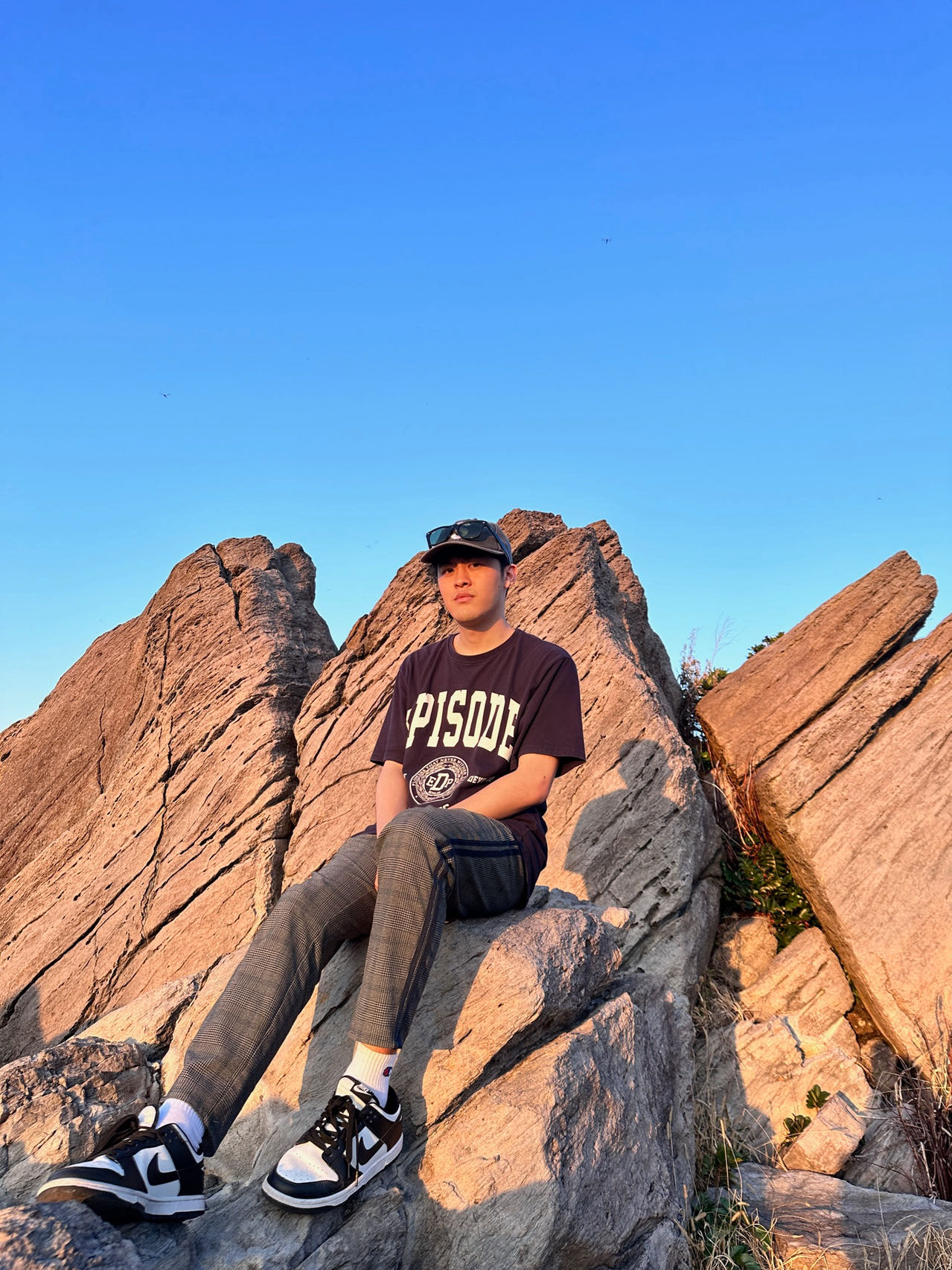
Pushing the frontier of intelligent machines.
I'm a researcher driven by an unwavering passion for advancing the frontier of technology. Built on a solid foundation in artificial intelligence and software engineering, my goal is to create original solutions to genuinely complex problems.
After earning a BEng in Mechatronics Engineering from the University of Nottingham, I spent two years gaining valuable experience across a range of engineering roles before deciding to make the move to Japan.
Today I work actively on cutting-edge research spanning artificial intelligence, computer vision, SLAM, autonomous robotics, and machine learning.
What I work with.
Frameworks and systems for object detection and recognition using state-of-the-art computer vision algorithms.
A core specialism — fluent across a range of deep learning methods, with many journal and international conference papers.
Research on the latest advances in SLAM, computer vision, and machine-learning algorithms for autonomous systems.
Built SLAM frameworks for robust mapping, with a focus on human-machine interaction and 3D scene reconstruction.
Designing and shipping end-to-end web and application stacks — front-end UIs, APIs, databases, authentication, and production deployment.
Building connected robotics software with MQTT messaging, real-time telemetry pipelines, cloud dashboards, and backend services for monitoring robots in the field.
 Python
 C++
C++ ROS / ROS2
 OpenCV
 PyTorch
 TensorFlow
 NumPy
NumPy CMake
CMake Linux
Linux Docker
 MQTT
MQTT TypeScript
 JavaScript
 React
React HTML5
HTML5 CSS3
CSS3 Tailwind
 Node.js
 FastAPI
 Firebase
 PostgreSQL
 MongoDBPythonC++ROS / ROS2OpenCVPyTorchTensorFlowNumPyCMakeLinuxDockerMQTTTypeScriptJavaScriptReactHTML5CSS3TailwindNode.jsFastAPIFirebasePostgreSQLMongoDB
Peer-reviewed research.
My work appears in international journals and conference proceedings — and I've been invited to present on AI, robotics, and the future of technology at conferences worldwide.
Robot Traversability Prediction: Towards Third-Person-View Extension of Walk2Map with Photometric and Physical Constraints
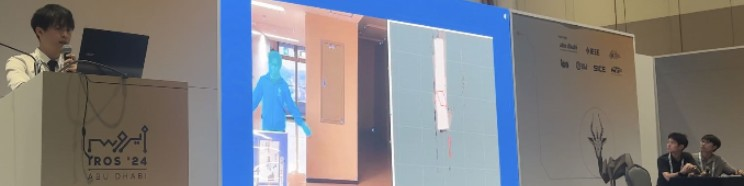
A third-person-view approach to indoor traversability mapping — extending Walk2Map with photometric and physical constraints to predict walkable floor regions under occlusion. Tay Yu Liang & Tanaka — University of Fukui. Presented at IROS 2024, Abu Dhabi.
HOI-LCD: Leveraging Humans as Dynamic Landmarks Toward Thermal Loop Closing Even in Complete Darkness
Continual Multi-Robot Learning from Black-Box Visual Place Recognition Models
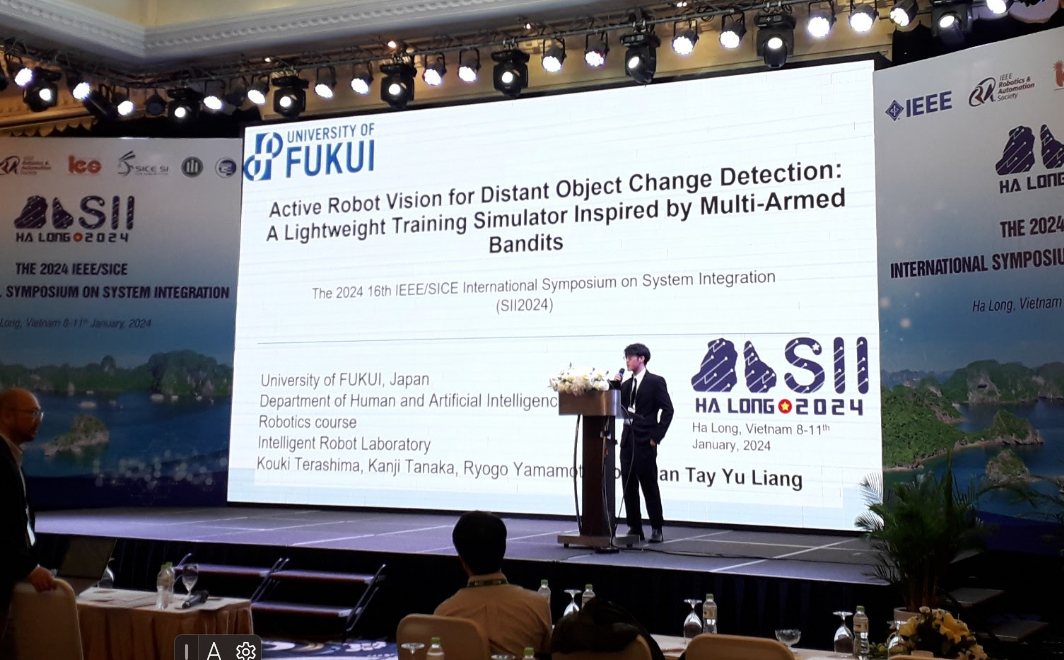
Active Robot Vision for Distant Object Change Detection: A Lightweight Training Simulator Inspired by Multi-Armed Bandits
Dynamic-Dark SLAM: RGB-Thermal Cooperative Robot Vision Strategy for Multi-Person Tracking in Both Well-Lit and Low-Light Scenes
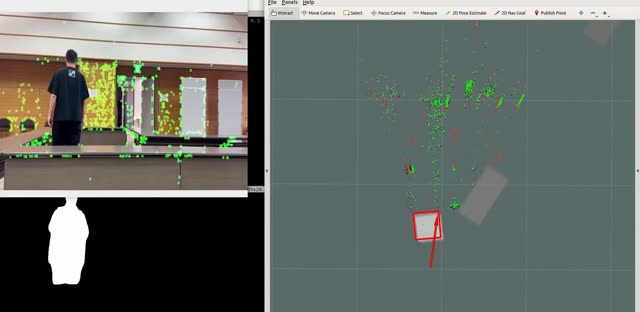
HO3-SLAM: Human-Object Occlusion Ordering SLAM Framework for Traversability Prediction
From prototype to deployed perception.
LiDAR & vision SLAM, evaluated in the field.
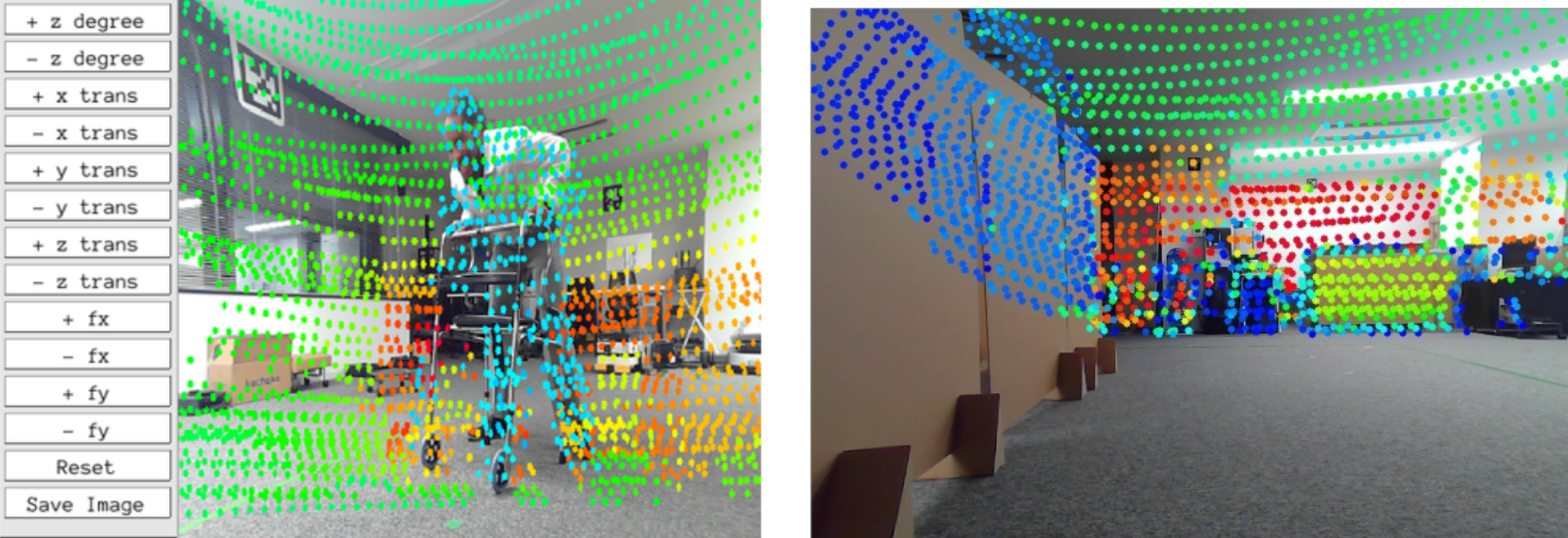
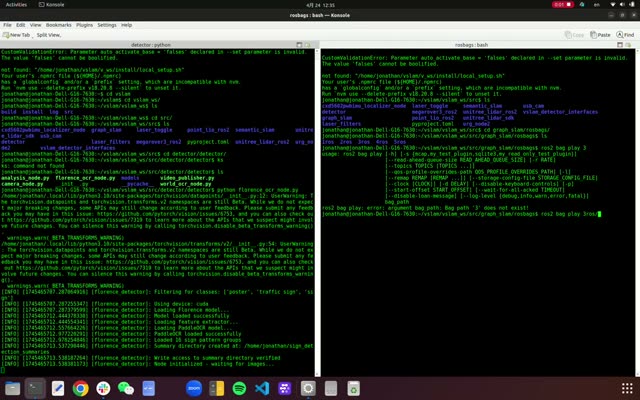
My research integrates computer vision and SLAM to build robust real-world solutions — object detection, OCR-based text recognition, and semantic understanding for applications like sign, person, and object detection.
I've contributed to developing and evaluating LiDAR- and vision-based SLAM systems, including research with GLIM and re-localisation validation using 3DBBS.
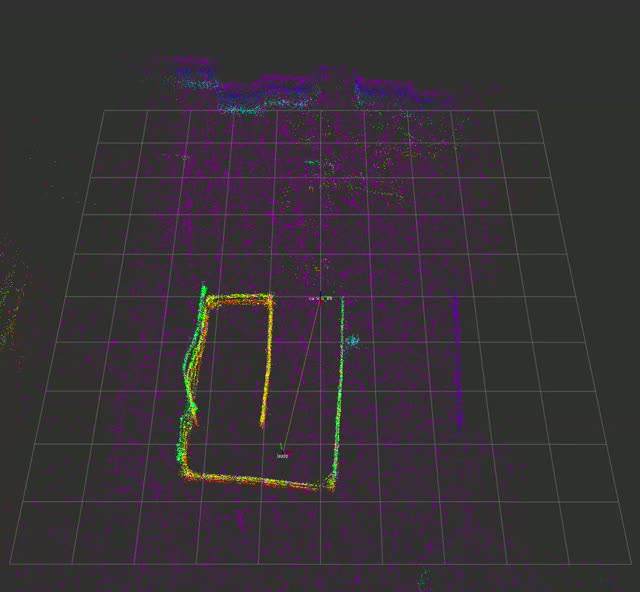 ▶// LIVE_SLAM
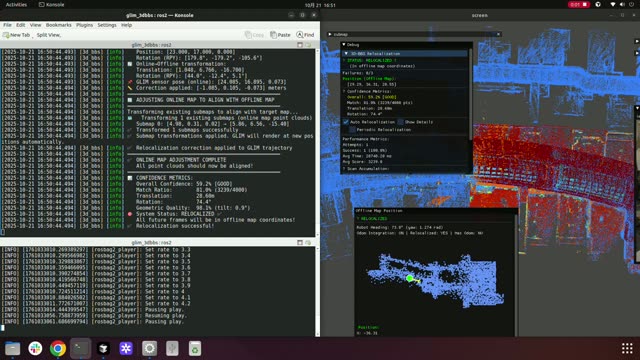 ▶// GLIM
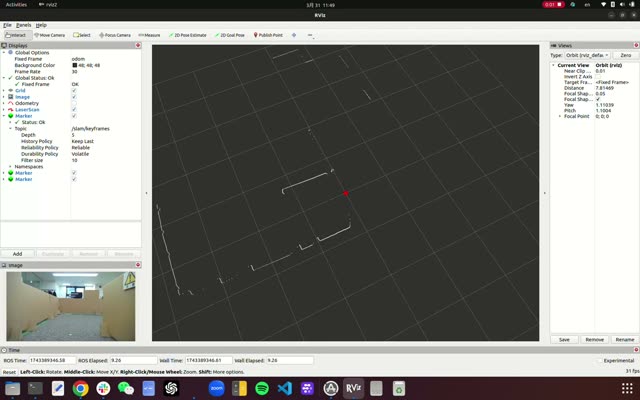 ▶// LOOP_CLOSURE
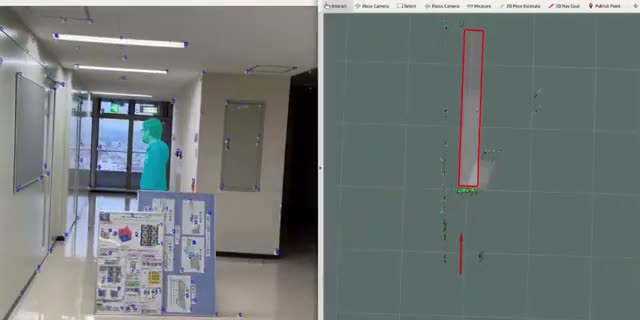 ▶// HO3-SLAM
 ▶// VSLAM
 ▶// TRAVERSABILITY
Object, human, and scene understanding.
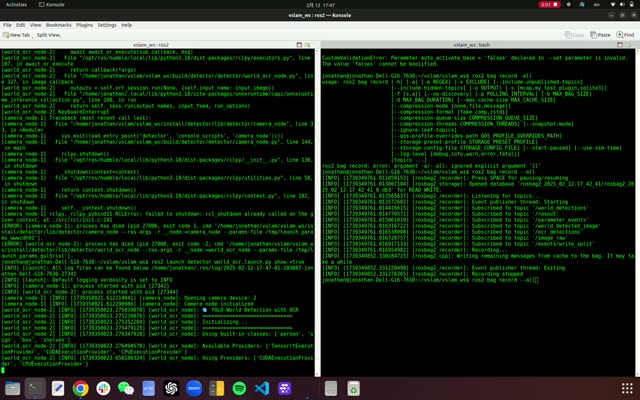
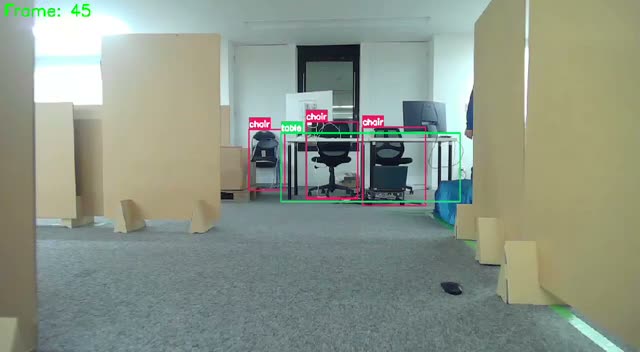
Real-time detection and recognition pipelines — from open-vocabulary and OCR-driven perception to people detection for healthcare and workplace safety.
 ▶// YOLO_WORLD
 ▶// DETECTION
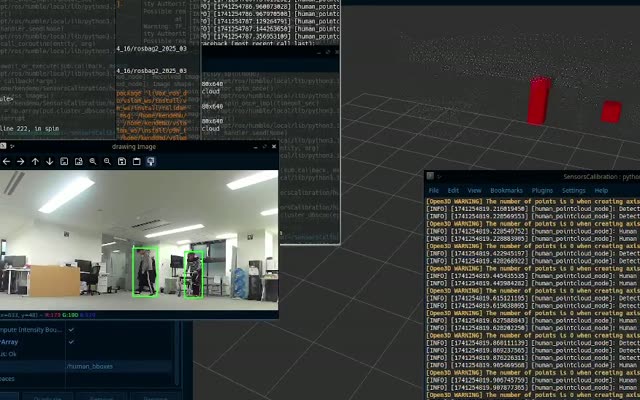 ▶// HUMAN
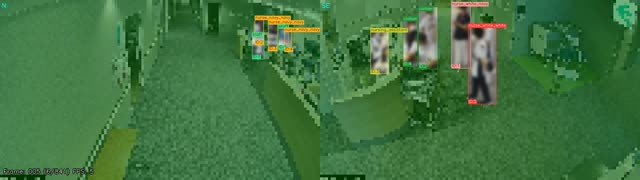 ▶// HEALTHCARE
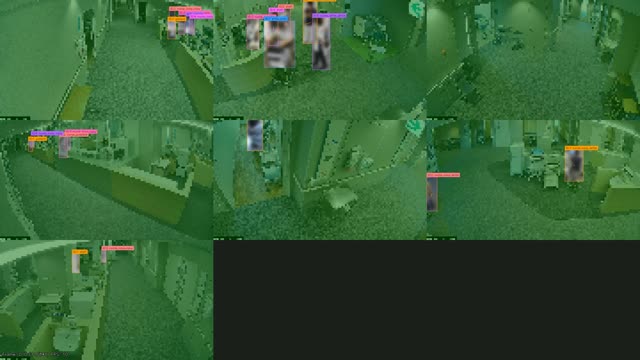 ▶// HEALTHCARE
Full-stack autonomy with Autoware.
Autonomous driving experiments built on the Autoware stack — including 3D LiDAR object detection with CenterPoint for perception in dynamic environments.
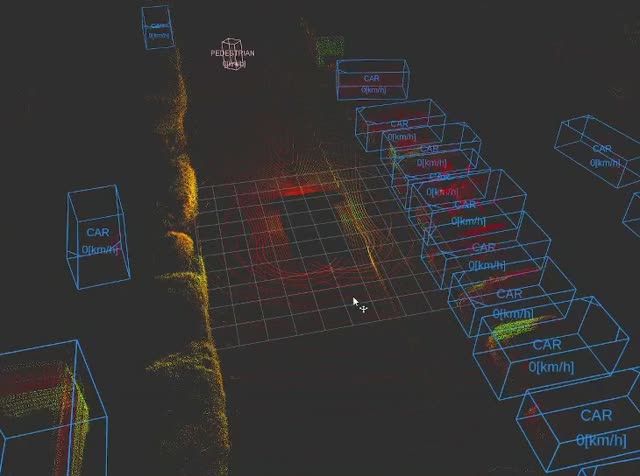 ▶// AUTOWARE
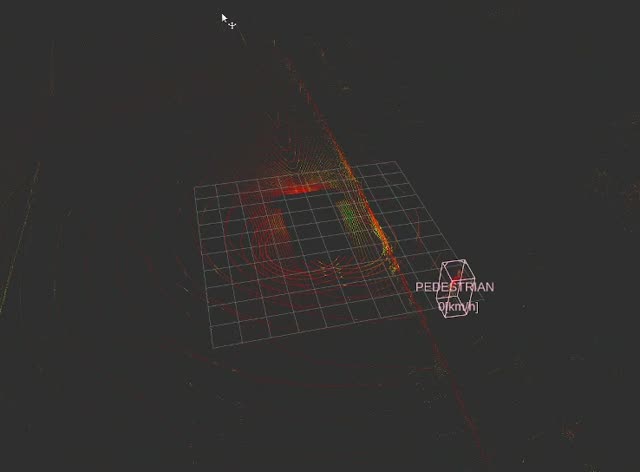 ▶// CENTERPOINT
Aligning LiDAR and camera.
Extrinsic calibration and multi-sensor fusion pipelines that project LiDAR onto camera imagery for accurate, fused perception.
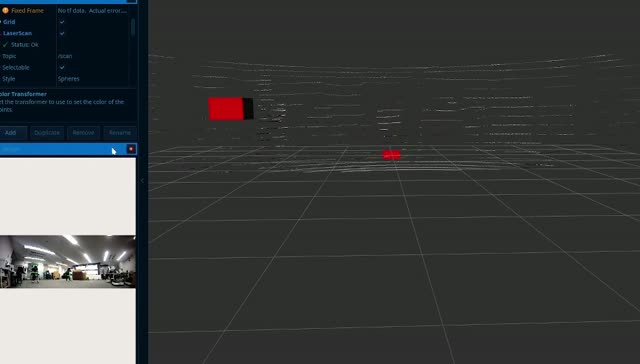 ▶// CALIBRATION
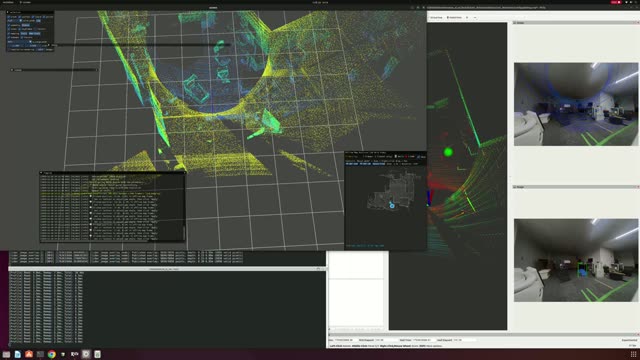 ▶// FUSION
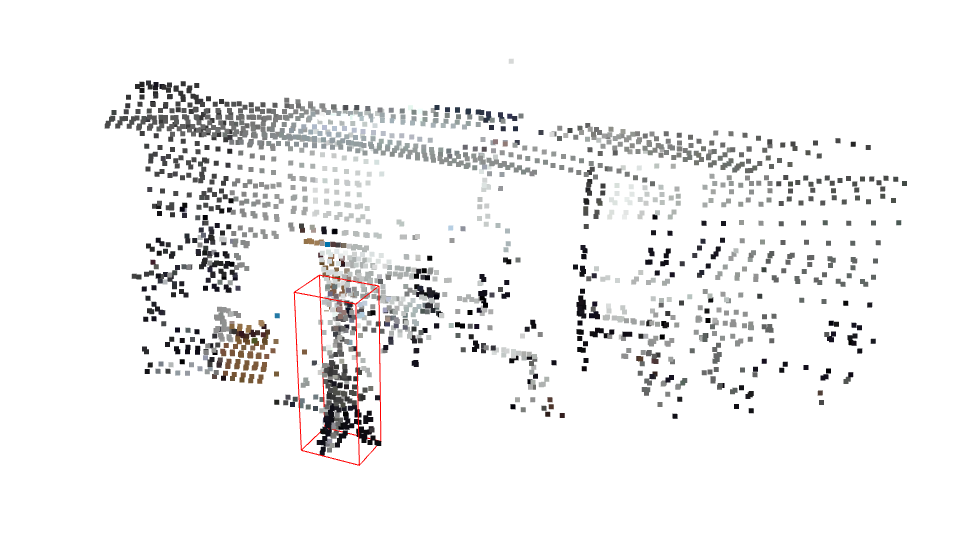 // SENSOR_FUSION
Monitoring robots in the field.
Connected robotics software with live telemetry dashboards and remote control — streaming real-time state from robots over the network.
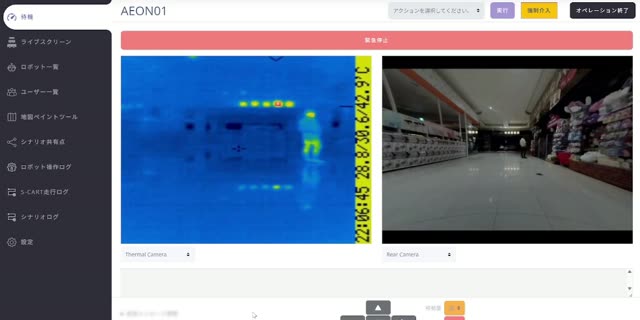 ▶// TELEMETRY
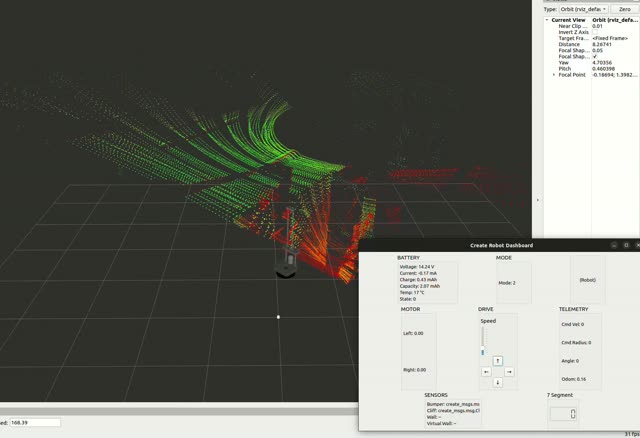 ▶// CONTROL
Code I share with the world.
Tools, reference implementations, and experiments from my research — open for the robotics and vision community to build on.
Occlusion-ordering add-on for traversability prediction in dynamic SLAM. Reference implementation for the ICPRS / ACPR papers.
Stereo ORB-SLAM3 and aisle guidance for warehouse AMRs — ROS 2 Jazzy, dense stereo depth, dynamic corridor perception, and Iridescence visualization.
A semantic memory SLAM system — currently in active C++ development.
Open to inquiries, collaborations, or just to say hello. I look forward to connecting with you.